

The reviewed research investigated the association of CRP (C-reactive protein) an inflammatory marker and oxidative stress as measured with the oxidative stress markers urinary 8-epi-prostaglandin F(2α) and plasma oxidized low-density lipoprotein (Park S, et al. 2012). The participants were 1,821 non-diabetic, postmenopausal women. The results showed that as urinary 8-epi-prostaglandin F(2α) increased so did CRP levels, and the researchers concluded that oxidative stress as measured by urinary 8-epi-PGF(2α) is strongly associated with CRP levels. This is one of the ways to show how important it is to keep oxidative stress low since it increases inflammation. If we can prevent tissue damage from chronic inflammation and oxidative stress, we will both feel and function better. Two effective ways to influence this is by eating a specific way and including an effective form of glutathione in our daily regime.
Oxidative stress is associated with inflammation.



You May Also Like
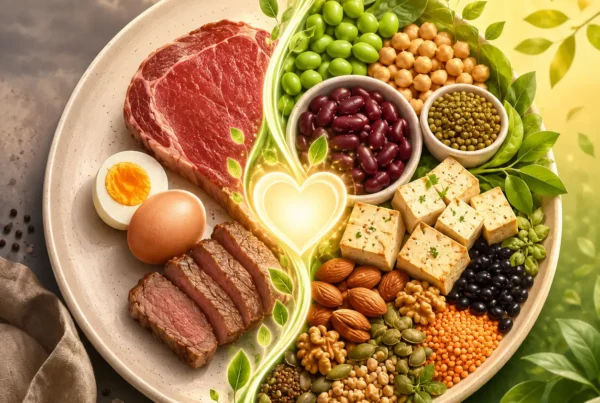 Swap Animal Protein for Plant Protein: Small Dietary Changes May Boost Longevity
Swap Animal Protein for Plant Protein: Small Dietary Changes May Boost Longevity

Didrik Sopler, Ph.D., L.Ac.August 16, 2026
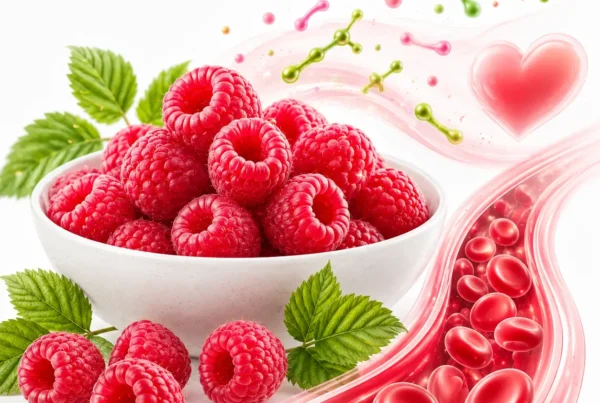 Raspberry Power: How This Simple Berry Keeps Your Blood Vessels Happy
Raspberry Power: How This Simple Berry Keeps Your Blood Vessels Happy
Didrik Sopler, Ph.D., L.Ac.August 2, 2026
 Losing Just a Little Sleep Can Hurt Your Blood Vessels, Study Finds
Losing Just a Little Sleep Can Hurt Your Blood Vessels, Study Finds
Didrik Sopler, Ph.D., L.Ac.July 20, 2026